Children’s manga & illustration
Favorite characters and original ideas become a starting point for building fundamentals and expression at each learner’s stage, without losing the enjoyment of drawing.
Who this course suits
- 01Children who want to draw a favorite character better
- 02Children who want to make characters and manga of their own
- 03Children who want to draw on an iPad or tablet
- 04Children who want time outside school for something they love
- 05Children who might want to draw for a living one day
What you can learn
Instead of giving everyone the same assignment, an instructor reviews what the learner wants to draw and prepares individual guidance for their current stage.
- Drawing charactersThe face comes first and then it stalls at the body. We start from the balance and the pose that sit underneath.
- Creating original charactersSettle the personality and the clothes, and the same face starts coming out every time — which is when it becomes a character.
- Drawing mangaOnce the panels and the dialogue find their places, a row of drawings turns into a story.
- Applying colorColored pencil, Copic, digital. We widen what is possible with whatever is already to hand.
- FundamentalsHands, feet, folds in clothing — we go back only where the drawing they want to make has got stuck.
What the drawing is building
An hour of drawing something they love is an hour of small decisions. What looks like play from across the room is doing more than that.
- Looking closelyDrawing a character starts with seeing one — the shape, and the expression.
- Deciding and makingWorking out how to get an idea across, and choosing as they go.
- Building a storyManga asks them to think about the order of events and how to show them.
- FinishingHaving taken one piece all the way is what makes the next one possible.
Something half-finished is a reason to come back
Children going through a period when school is difficult, and children not attending school, come here too.
A character waiting to be finished gives the week somewhere to point. There is no set assignment, so a child can start from whatever they can draw that day.
It will not suit every child. Bring something half-finished to the trial lesson, if there is one.
Lessons, work, and past activities
Lessons in the classroom, and work students have made.
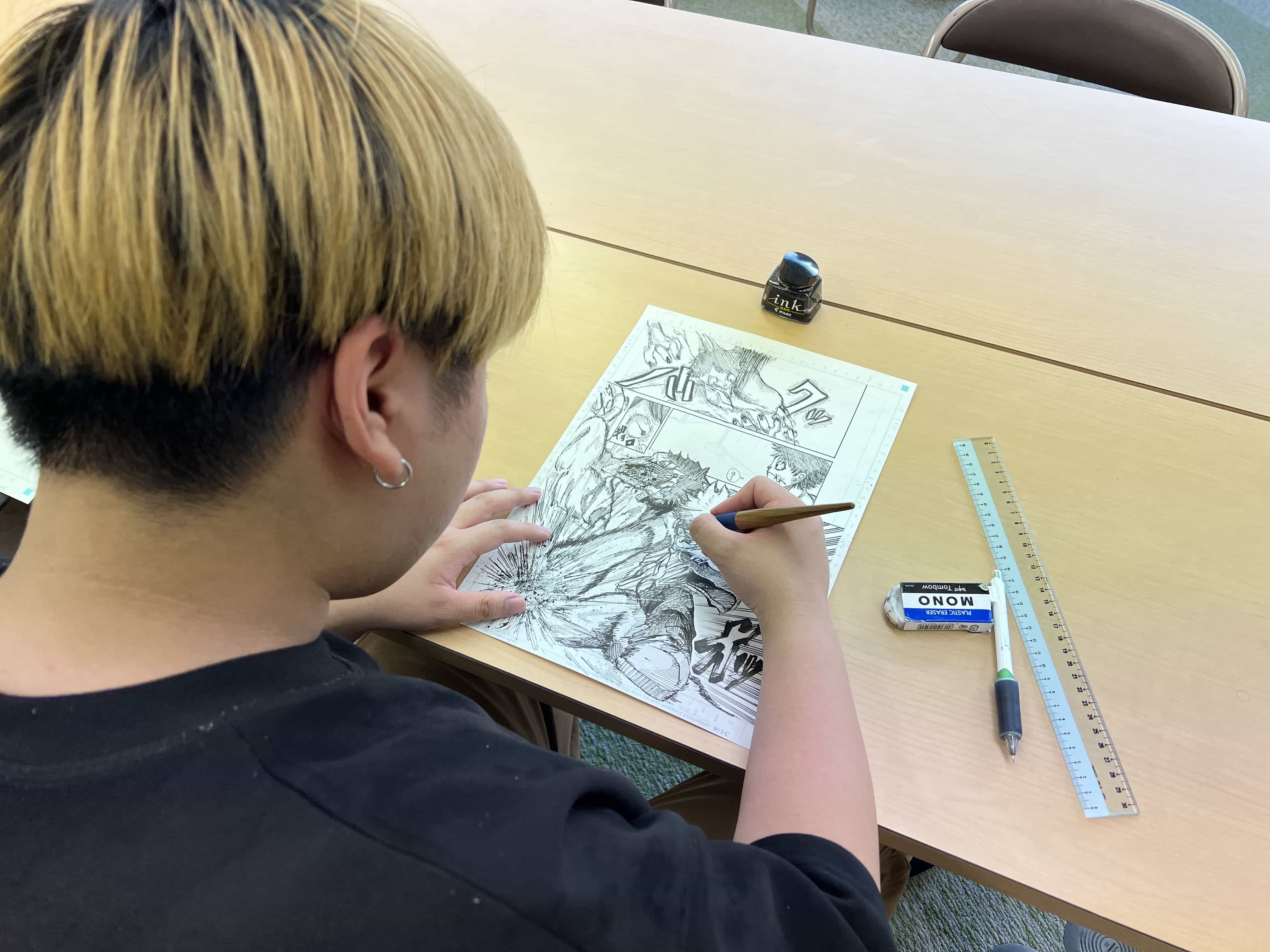
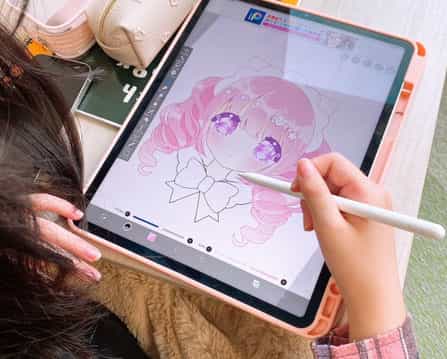
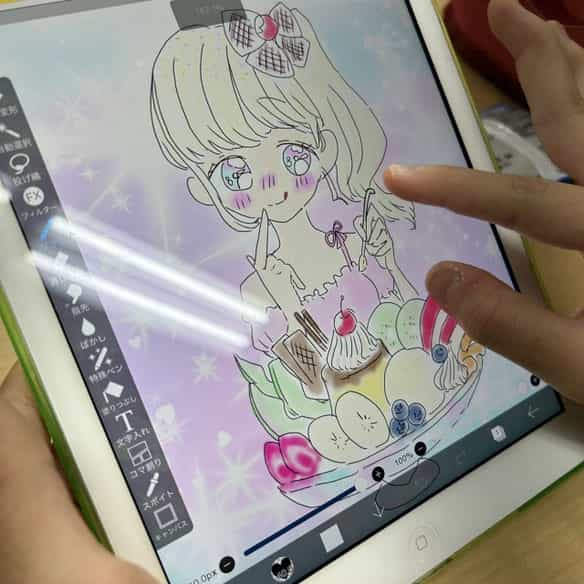
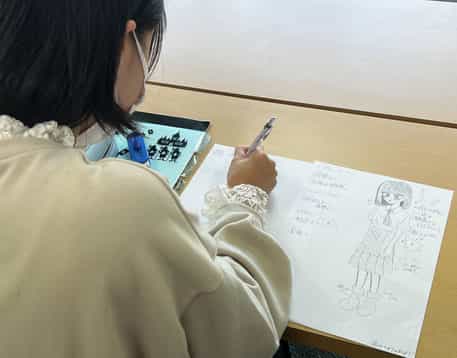
Manga-making in class
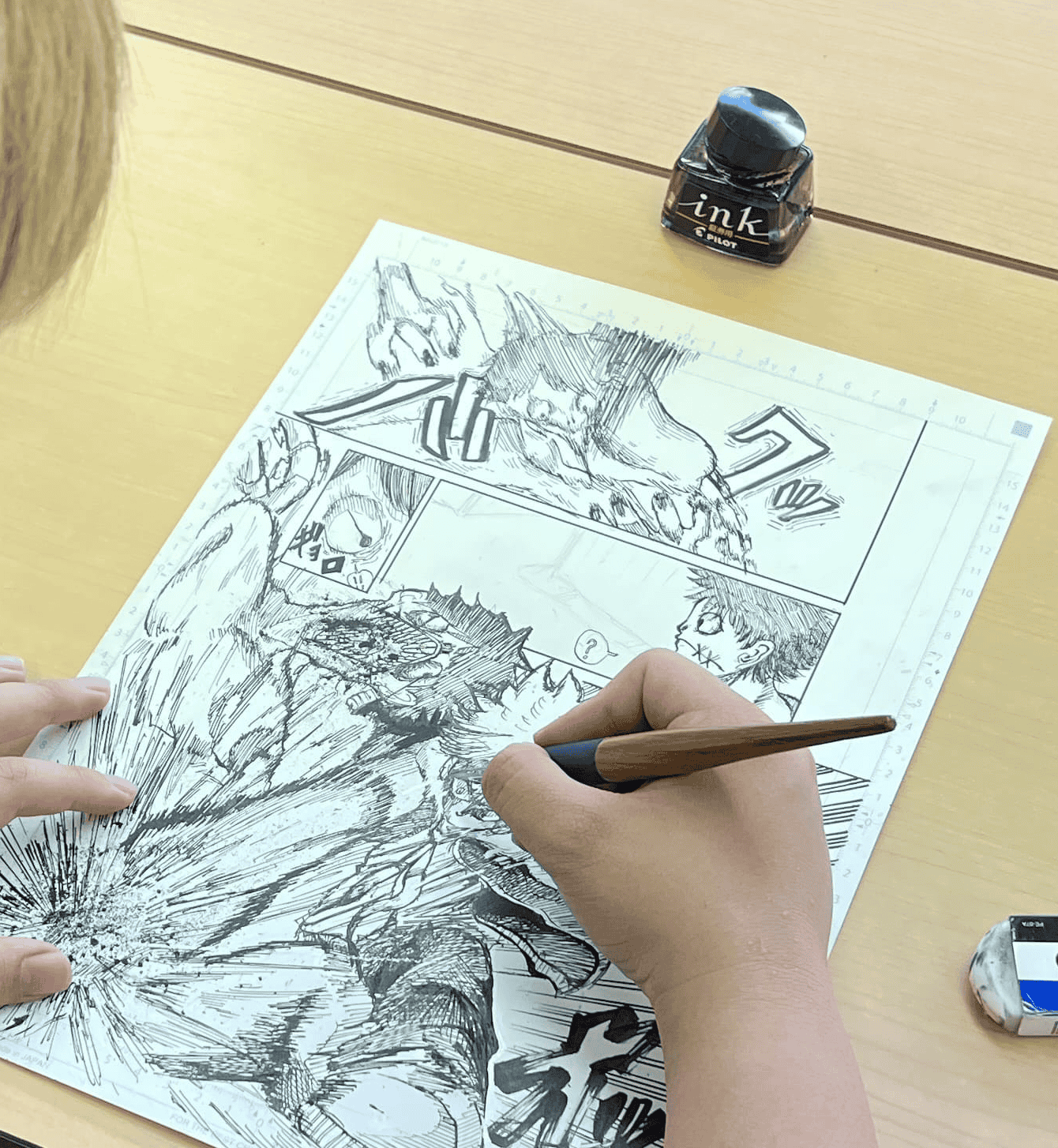
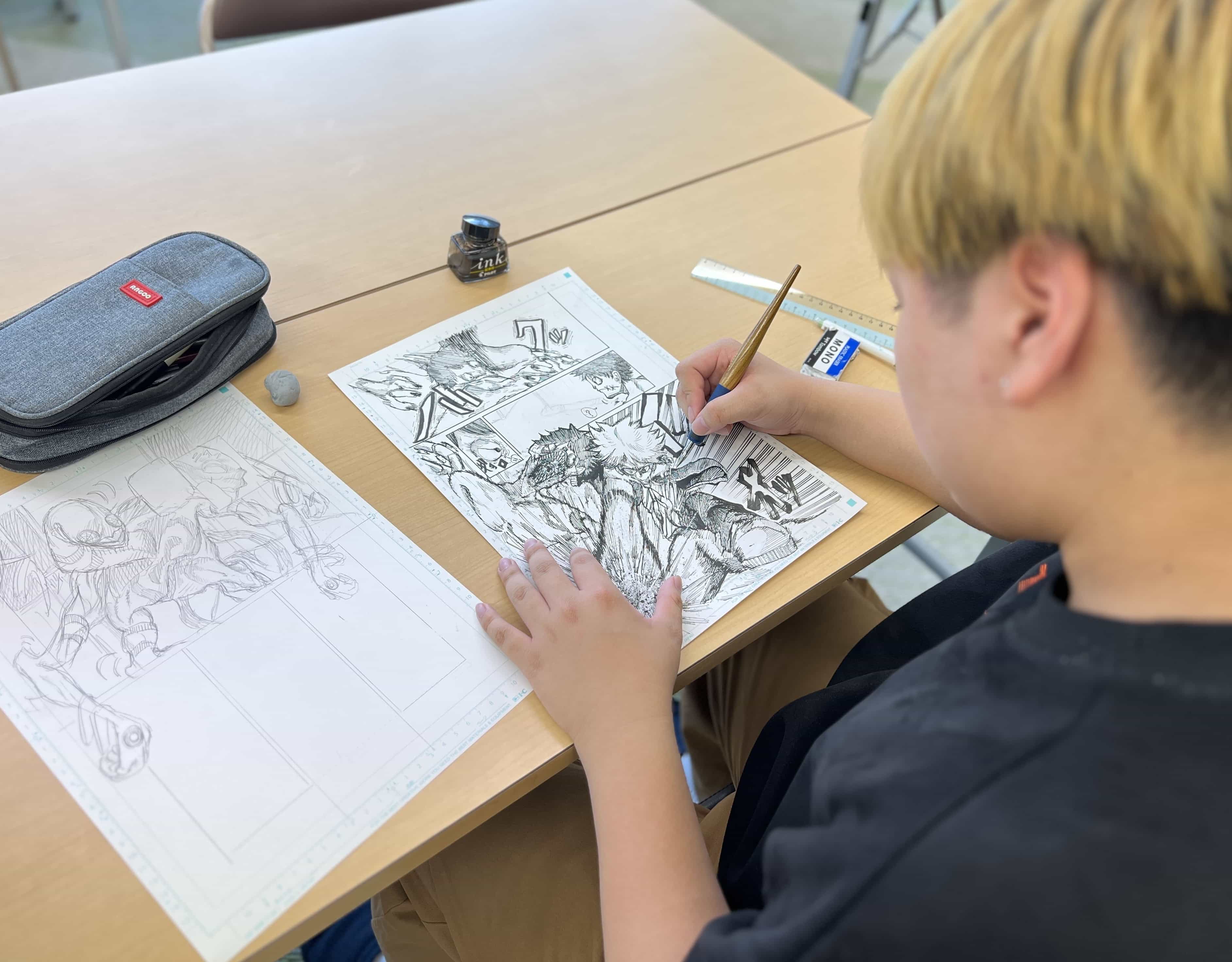
An elementary-school student took first place in a Shueisha manga award
Some students enter contests with work made in lessons. Where a student wants to, we plan the route to submission with them.
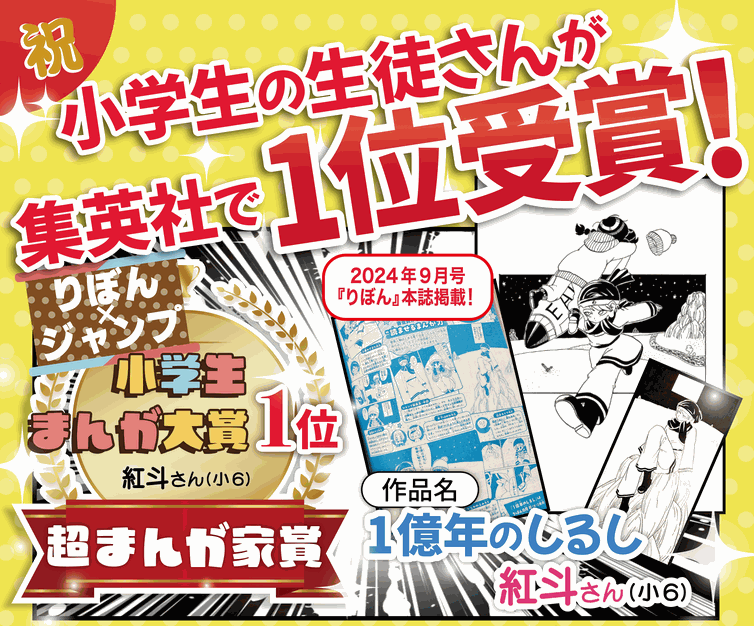
- Award
- Ribon × Jump Elementary Manga Grand Prize, first place / Chō Mangaka Award
- Work
- “Ichioku-nen no Shirushi”
- Published
- Published in the September 2024 issue of Ribon
Lesson length
Each lesson is 120 minutes. Lessons are 90 minutes for middle- and final-year kindergarteners.
How long before they improve?
The pace depends on the child’s age, how often they draw, and what they are aiming for.
- To enjoy drawing favorite characters
- To get body balance right
- To be able to draw manga
- To work toward contests or entrance exams
In a trial lesson we look at what they are drawing now and tell you what to practise next for it to change.
Monthly tuition & enrollment
Enrollment fee¥22,000
| Frequency | Regular total | Monthly tuition, tax included |
|---|---|---|
| 2 lessons / month | ¥11,880 | |
| 4 lessons / month | ¥15,180 | |
| 8 lessons / month | ¥28,820 | |
| 12 lessons / month | ¥40,930 |
- 2 lessons / month
- Monthly tuition, tax included
- ¥11,880
- 4 lessons / month
- Monthly tuition, tax included
- ¥15,180
- 8 lessons / month
- Monthly tuition, tax included
- ¥28,820
- Regular total
¥30,356
- 12 lessons / month
- Monthly tuition, tax included
- ¥40,930
- Regular total
¥45,535
A separate discount is available for one year paid in advance. Ask the school for the amount.
Trial booking & inquiry form
Ask about trial lessons, courses, or ways to attend.
Use the inquiry form